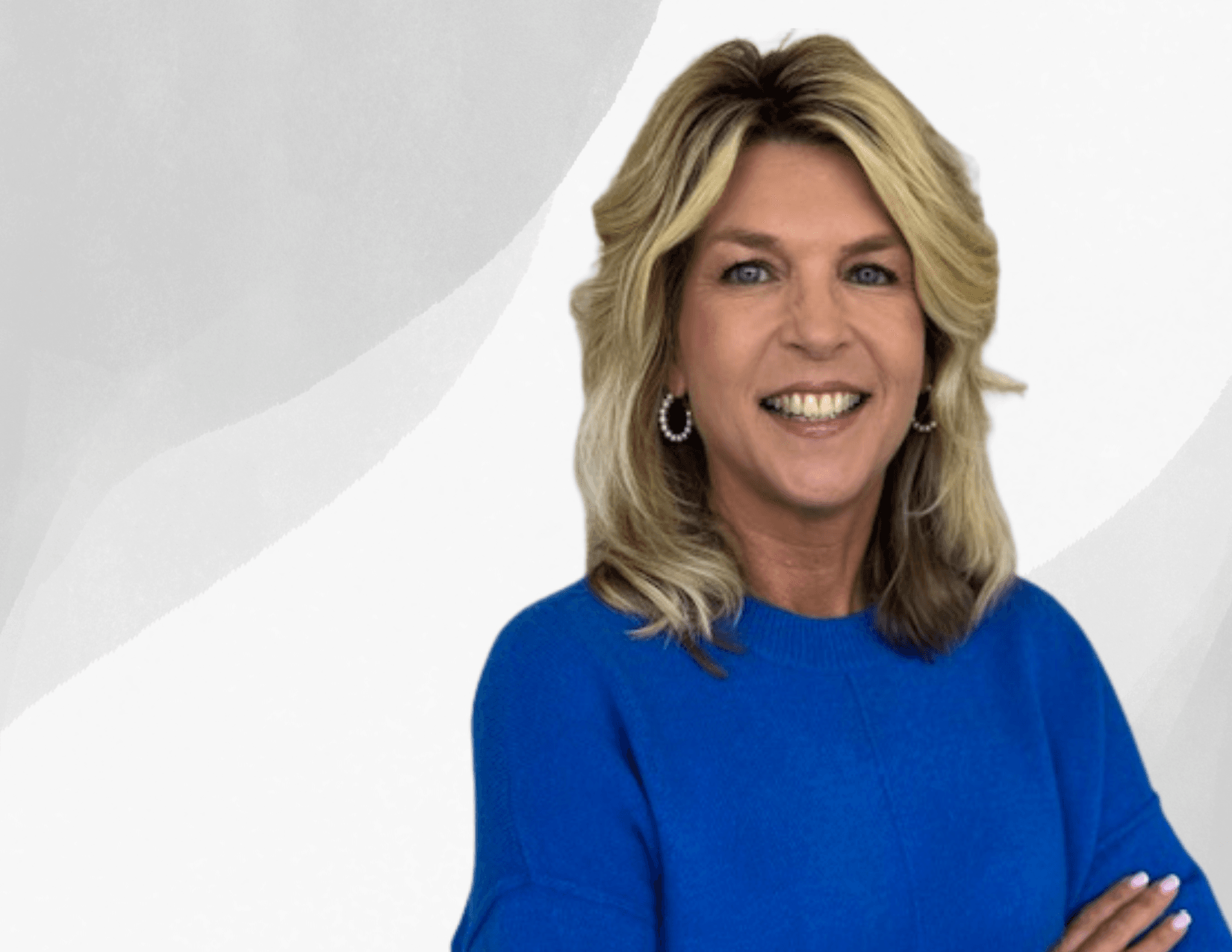
Location: Melbourne, Arkansas
Education:
MCD, CCC-SLP, CALT
Years Experience Teaching: 30
Years Experience In Dyslexia: 15
Teaching Experience:
I have been a Speech-Language Pathologist for 30 years, serving students ages 3-21 with a wide range of speech and language disorders across a vast spectrum of severities and diagnoses. I began my journey with dyslexia 15 years ago, serving students in my private practice setting after hours and full-time in the summer. I then made the transition to a local school district, where I have served for the last 8 years as the K-12 Speech & Dyslexia Services Coordinator.
Professional Affiliations:
American Speech-Language Hearing Association, Arkansas Speech-Language Hearing Association (ArkSHA), Academic Language Therapy Association (ALTA), International Dyslexia Association (IDA)
Programs Trained In:
Barton Reading and Spelling, Connections OG in 3D, Phonics First, Take Flight, BUILD K-1, Turbo Start, JET
Age Range You Feel Most Comfortable With:
All ages
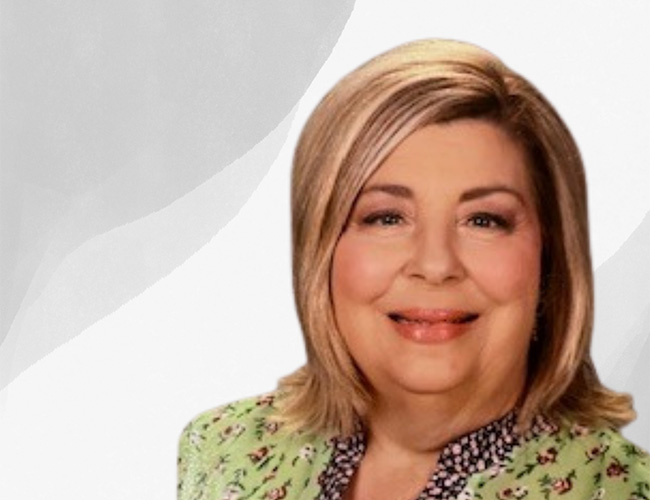
Tiffany Webb
MCD, CALT, CCC-SLP
Why did you decide to become a CALT?
As a therapist, I believe it is essential to never stop learning in order to meet the unique needs of every student you serve. There is no one-size-fits-all approach to creating meaningful, lifelong impact. I have always been a researcher at heart, so when I encounter a student who is struggling, I want to understand why—and more importantly, how I can best help. My journey into dyslexia began while working as an early childhood speech-language pathologist. Over the years, I served many students who were dismissed from speech-language and early childhood special education services at the time of transition to Kindergarten because they did not qualify for school-age services. Yet, I often felt that something was still being missed. Although standardized testing suggested they were progressing adequately, I sensed that many of these students would face significant academic challenges in the future. Time and again, those same students were referred back for evaluation by second grade and identified with a Specific Learning Disability. Fifteen years ago, this pattern became personal when the child of a close friend—whom I had served from ages three to five—began struggling in first and second grade. We knew he was extremely bright, yet he could not read simple CVC words without difficulty, and spelling was an ongoing challenge despite the tremendous effort his mother invested at home. Her search for answers sent me down a path of research. I suspected dyslexia, but I realized I did not know enough about it to truly help. That realization led me to my first dyslexia training course, and I was immediately captivated. Suddenly, I could see the common thread connecting so many students I had worked with over the years. I also recognized how my background in speech-language pathology provided a deeper understanding of the language foundations that underlie dyslexia. What began as a search for answers quickly became a passion and a calling. Over the past 15 years, I have trained in and provided intervention using seven different dyslexia curricula. I chose to become a Certified Academic Language Therapist (CALT) because I wanted to pursue the highest level of expertise and the gold standard of dyslexia training. Most importantly, I wanted to be the most knowledgeable and effective provider possible so that I could help students with dyslexia reach their full potential and experience lifelong success.
Favorite moment working with dyslexic students?
I have had many wonderful moments working with students over the years, but one of the first that I can remember was doing a video interview with one of the very first students I served for dyslexia. I began working with him at the end of 1st grade, and at the time of the video, he was in 4th grade and had completed his dyslexia therapy program and was exiting from services. One of the questions I had asked him was what he had learned about having dyslexia and how that had changed in the time we had worked together. He said, "I always just thought I was dumb and couldn't learn for some reason. You showed me that I'm just as smart as everyone else, maybe even more, and that I just have to do things differently sometimes than my friends, and that's ok." Needless to say, his response brought me to tears!
Your goal when working with kids with dyslexia?
I want them to understand that we all have a journey and every journey is different. Dyslexia does not define them. It is not who they are; it is simply a definition of how they learn. As with anything they face in life, with commitment, perseverance, and hard work, they can accomplish anything they set out to do.
Your teaching style, personality?
I would describe my teaching style as relationship-centered, patient, structured and highly individualized. I like to get to know my students and learn about their hobbies and interests. My first priority is helping students feel comfortable, safe, and understood. I want every student to know that I genuinely care about them, that I am on their side, and that I believe in their ability to succeed. Students with dyslexia often experience frustration, self-doubt, and anxiety around learning. Because of that, I am highly intentional in my teaching. I strive to create a calm, encouraging, respectful, and structured learning environment where mistakes are viewed as part of the learning process. I tend to have a gentle, reassuring presence, and I pace instruction carefully so students have the time and support they need to be successful. While I maintain high expectations, I balance those expectations with empathy and compassion. I celebrate small victories, help students recognize their strengths, and encourage them through the challenges. My goal is not only to improve reading and language skills, but also to help students develop confidence, resilience, and a belief in their own potential. I also believe learning can be fun and it is ok to be a little goofy and laugh a litte to relieve some of that stress!!
Any family details?
I have been married to my husband, Kelley Don, for 32 years. We are blessed with a wonderful family. We have one son, daughter-in-law, and a beautiful 3-year-old grandson, and also one daughter and son-in-law, with hopefully more grandkids on the way soon!!
Any extra anecdotal info you want to add?
At the heart of my teaching philosophy is hope. One of my favorite verses is Jeremiah 29:11: “For I know the plans I have for you... plans to give you hope and a future.” That verse serves as a reminder that every student has tremendous potential, and it is my privilege to help them discover it.