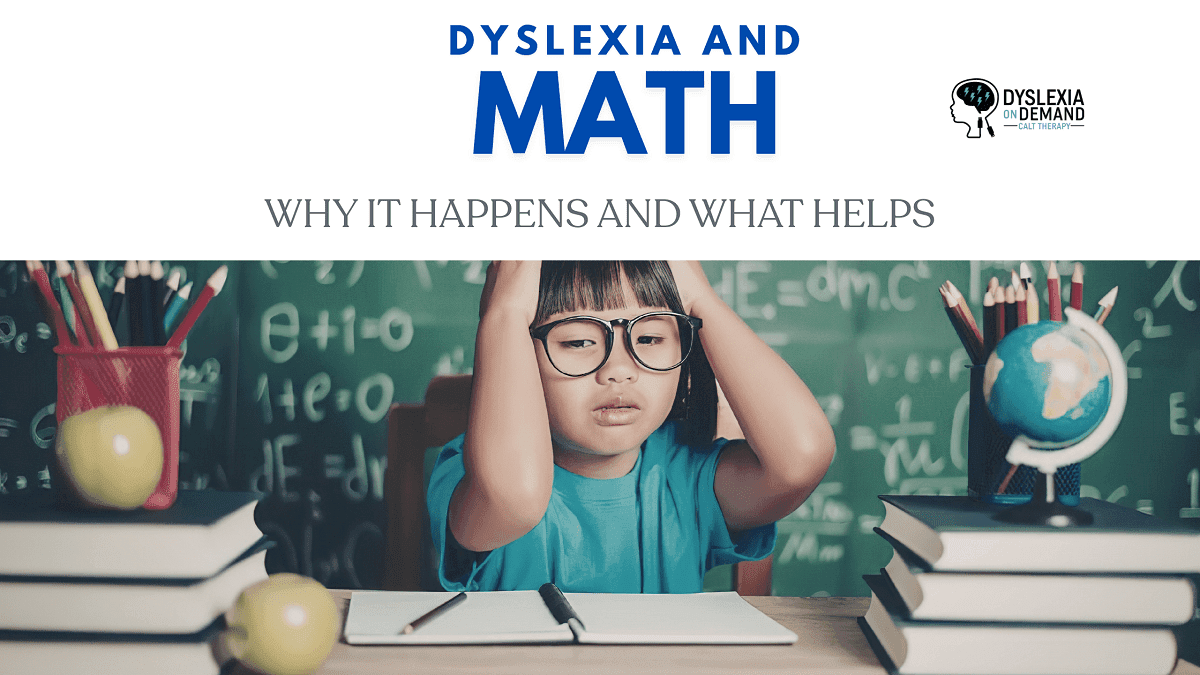
Math is Not Just Numbers: A Parent Guide to Math and Dyslexia
Explore the surprising connection between literacy challenges and math struggles with this comprehensive parent guide.…
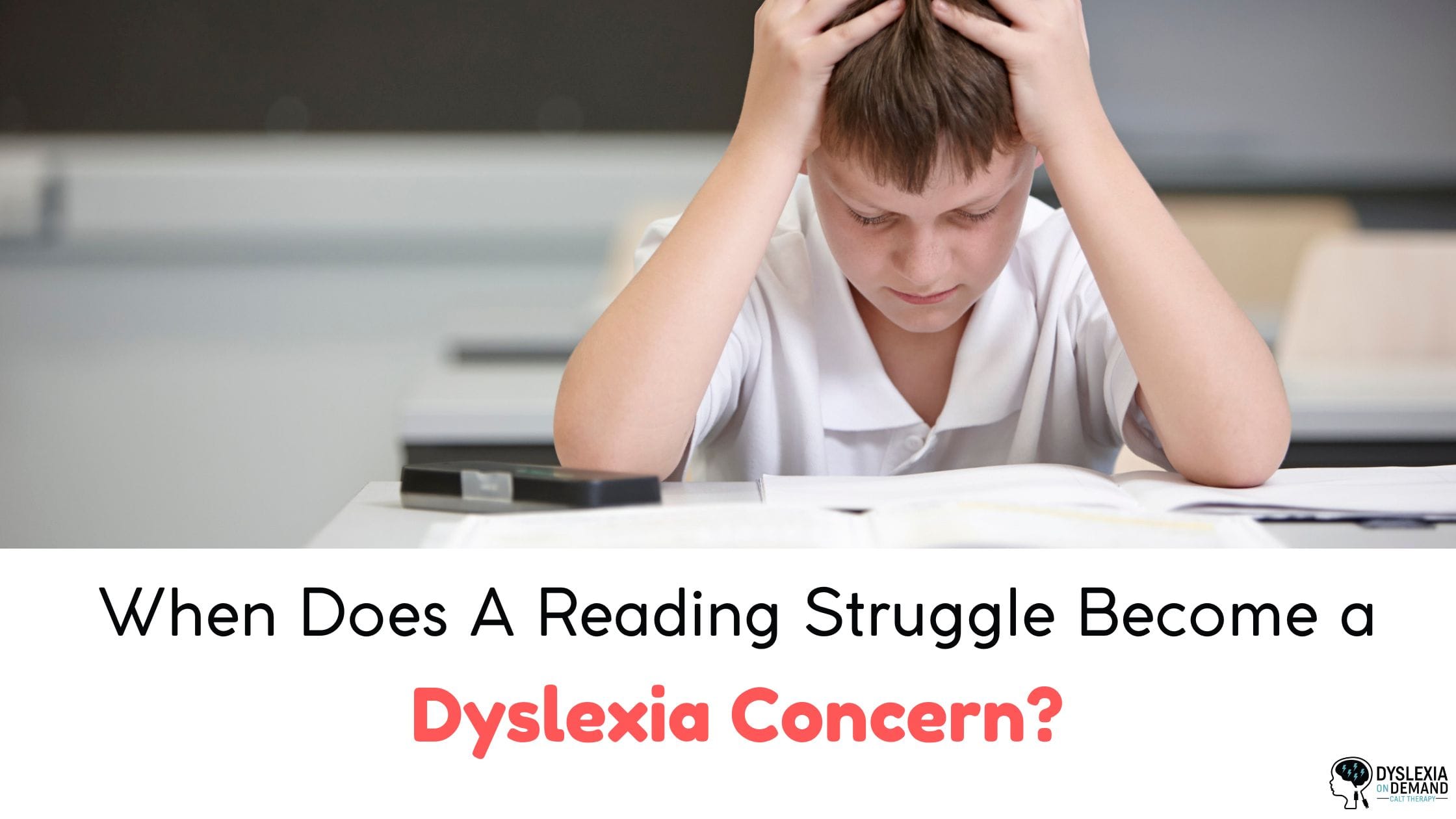
When a child struggles with reading, it can be difficult to know what is part of normal development—and what may be a sign of something more. Could it be dyslexia? When should you be concerned? And most importantly, what should you do next?
This resource breaks down the common signs of dyslexia and explains what reading struggles can look like at different ages and stages. We’ll explore why some bright, capable students continue to struggle despite good instruction, why dyslexia is about much more than reversing letters, and how weaknesses in areas such as phonological processing, decoding, spelling, fluency, and automaticity can affect a student’s reading development.
It also covers the difference between a child who simply needs more time or practice and one who may need specialized intervention, what parents and educators should look for in testing and assessment data, and when it may be time to pursue a formal dyslexia evaluation.
Most importantly, you’ll leave with a clearer understanding of what effective dyslexia intervention looks like and practical next steps for helping a struggling reader move forward with greater skill, confidence, and success.
Whether you are a parent, teacher, or other professional supporting a child who struggles with reading, this webinar is designed to help you recognize the signs, understand the struggle, and know what to do next.


©2026 Dyslexia On Demand. All Rights Reserved.