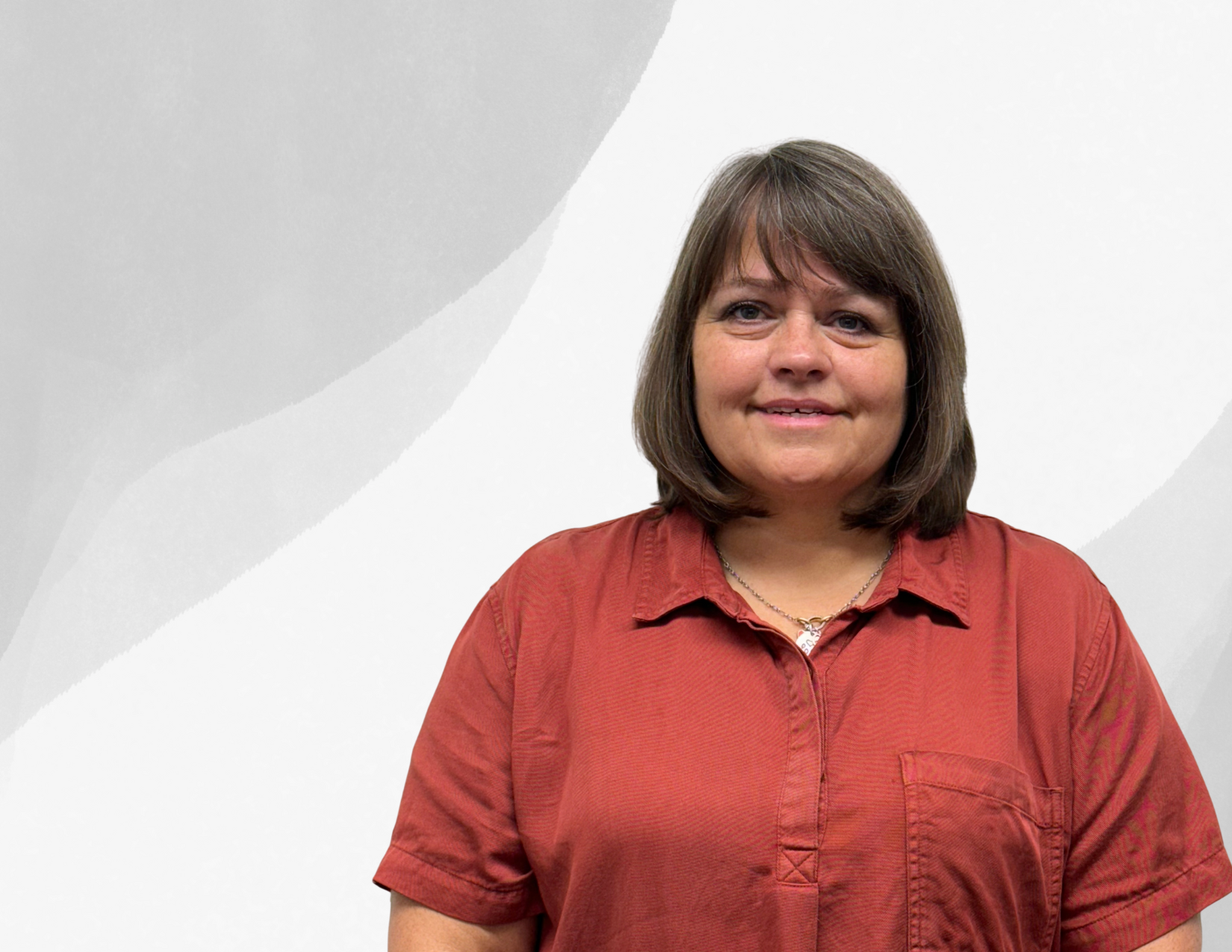
Location: Abilene, TX
Education:
Liberty University (M.A.), Texas State University (M.Ed.)
Years Experience Teaching: 14
Years Experience In Dyslexia: 2
Teaching Experience:
Before becoming an educator, I proudly served in the United States Air Force, where I developed a strong foundation in leadership, preparation, service, and adaptability. During that time, I supported elementary students face-to-face and virtually both overseas and stateside, which helped shape my passion for education. After transitioning full-time to a General Education teaching role, I taught K-3 students, with experience in reading, language arts, foundational literacy, and structured intervention. As a Texas-certified EC-6 educator, I use explicit instruction, progress monitoring, small-group support, and consistent routines to help students grow academically while building confidence and independence. My approach is firm, caring, and encouraging, with a focus on steady progress and student success
Professional Affiliations:
Academic Language Therapy Association (ALTA), Licensed Dyslexia Therapist (LDT), International Dyslexia Association (IDA)
Programs Trained In:
I am trained in IMSE Orton-Gillingham and in the structured literacy and dyslexia intervention curricula at Texas Scottish Rite Hospital, including Bridges, Turbo Start, and Take Flight: A Comprehensive Intervention for Students with Dyslexia.
Age Range You Feel Most Comfortable With:
Elementary and middle school students, specifically grades 2-7
Katrina Quince
M.Ed., LDT, CALT
Why did you decide to become a CALT?
I became a CALT because I saw bright, capable students work hard every day while still struggling to read, spell, and feel confident in the classroom. I wanted specialized training that would enable me to provide diagnostic, explicit, systematic, and multisensory instruction while monitoring progress and adjusting support to each student’s needs. Becoming a CALT allows me to combine structure with compassion so students can build the reading skills, confidence, and independence they need to experience real success.
Favorite moment working with dyslexic students?
My favorite moments are when students realize that reading is not about guessing or memorizing every word, but about learning how language works. I love seeing a student pause, apply a strategy, decode a word successfully, and then smile because they know they did it. Those moments matter because they show the student that they are capable, their hard work is paying off, and reading can become less overwhelming with the right support.
Your goal when working with kids with dyslexia?
My goal is to help students become confident, independent readers who understand that dyslexia does not define their intelligence or limit their potential. Through structured, multisensory, and evidence-based instruction, I help students strengthen decoding, spelling, fluency, comprehension, and self-advocacy skills while rebuilding their confidence as learners.
Your teaching style, personality?
My teaching style is structured, encouraging, and student-centered. My experience serving in the military enabled me to develop strong skills in preparation, consistency, and adaptability, which I bring into my work with students. I believe students learn best through clear routines, explicit instruction, meaningful practice, and a safe space to make mistakes. I enjoy celebrating small wins and helping students feel capable, confident, and supported while keeping lessons focused and purposeful. My approach is focused on helping students build confidence, independence, and measurable progress while keeping lessons focused, purposeful, and supportive.
Any family details?
I have been married to my husband for 24 years, and we have two daughters.
Any extra anecdotal info you want to add?
One thing I want families to know is that I believe progress is possible when students receive instruction that is consistent and explicit. I strive to create a supportive learning environment where students feel safe, challenged, and encouraged. Many students come to dyslexia therapy feeling discouraged, and I enjoy helping them recognize their strengths, track their growth, and understand that they can make meaningful progress with the right tools and support.